Decoding the Jargon: Your E-Invoicing Explainer & Common Questions
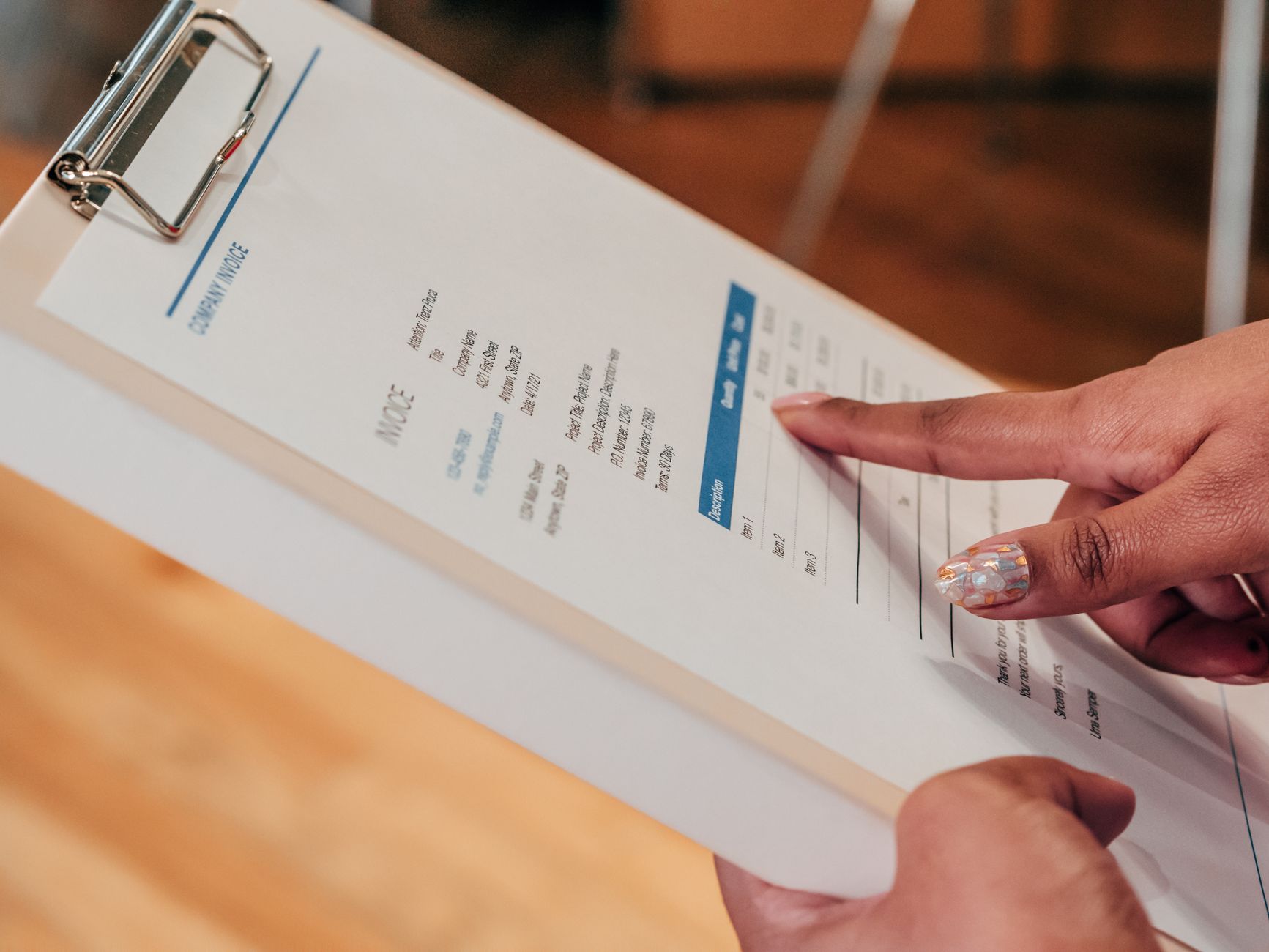
E-invoicing, at its core, is the automated exchange of invoice data directly between supplier and buyer systems in a structured digital format. This isn't merely a PDF attached to an email; it's about machine-to-machine communication, eliminating manual data entry and reducing human error. Think of it as a digital handshake that ensures accuracy and speed. Common questions often revolve around the differences between e-invoicing and traditional methods. While a PDF might seem digital, it still requires manual processing or optical character recognition (OCR), which can introduce inaccuracies. True e-invoicing uses standards like UBL or EDI, ensuring data integrity from the moment an invoice is generated to its final payment. This shift isn't just about going paperless; it's about creating a more efficient, transparent, and compliant financial ecosystem.
Understanding the jargon associated with e-invoicing is crucial for a smooth transition. Terms like "Peppol network", "validated invoice", and "interoperability" might seem daunting, but they represent key pillars of the system. For instance, Peppol (Pan-European Public Procurement On-Line) is a framework that enables cross-border e-procurement, facilitating seamless data exchange between different systems and countries. A "validated invoice" refers to an invoice that has passed automated checks for compliance with local regulations and business rules. Interoperability, on the other hand, is the ability of different e-invoicing systems to communicate and exchange data effectively, regardless of their underlying technology. These concepts are designed to overcome the complexities of diverse international invoicing standards, ensuring a unified and streamlined process for businesses worldwide.
Beyond the Buzzwords: Practical Tips for UAE E-Invoicing & What Readers Ask
Navigating the evolving landscape of UAE e-invoicing goes beyond simply understanding the regulations; it’s about practical implementation that truly streamlines your operations. Forget the high-level rhetoric and focus on actionable strategies. Firstly, conduct a thorough internal audit of your current invoicing processes. Where are the bottlenecks? Are you still relying heavily on manual data entry or paper trails? A robust e-invoicing solution should seamlessly integrate with your existing ERP or accounting software. Secondly, prioritize vendor and customer education. Clear communication about the transition, including any new portal access or data submission requirements, is paramount to minimize disruption. Finally, don't underestimate the power of a phased approach. Start with a pilot group, iron out any kinks, and then scale up. This iterative process allows for continuous improvement and reduces the risk of widespread issues, ensuring a smoother, more efficient transition for everyone involved.
Our readers frequently ask about the intricacies of compliance, data security, and choosing the right solution. When it comes to compliance, understand that the UAE's framework, while still developing in some areas, emphasizes data integrity and auditability. This means ensuring your chosen solution provides a clear audit trail and adheres to data retention policies. Data security is another major concern; look for providers with strong encryption protocols, regular security audits, and robust disaster recovery plans. Don't be afraid to ask for their security certifications. As for choosing the 'right' solution, there's no single answer. Consider your business size, transaction volume, and integration needs.
One key piece of advice: prioritize scalability and flexibility. As your business grows and regulations evolve, your e-invoicing system should be able to adapt without significant overhaul.Explore solutions that offer modularity and open APIs for future integrations, ensuring your investment remains valuable long-term.